
Sculptra® 2 (poly-L-lactic acid, PLLA) is a non-immediate injectable biostimulator that promotes collagen production to gradually restore facial volume and improve skin quality. Proper Sculptra 2 reconstitution is critical to ensure clinical efficacy, minimize complications such as nodules, and achieve uniform distribution of the product.
This guide is intended exclusively for licensed medical professionals and summarizes current recommendations based on evidence and clinical experience to safely and effectively prepare and inject Sculptra® 2. We also address anatomical considerations, patient selection, differences from other biostimulators, and comparative technique tables.
1. Composition of Sculptra® 2
- Active ingredient: Lyophilized poly-L-lactic acid (PLLA)
- Format: 150 mg sterile powder vial for reconstitution
- Manufacturer: Galderma
- Mechanism: Stimulates fibroblasts to produce type I and III collagen
Sculptra® contains no hyaluronic acid. Its effect is gradual rather than immediate: results begin to appear after 4–6 weeks and continue improving over several months.
2. Recommended Dilution: How Much Solution to Use?
A. Standard reconstitution (facial use):
- Total dilution volume: 5–8 mL of sterile water for injection (WFI)
- Hydration time: ideally 12 to 24 hours before use
- Suggested formula: 6 mL WFI + 1 mL of 1% lidocaine
B. Hyperdiluted reconstitution (body use):
- Total volume: up to 10 mL or more (depending on treatment area)
- Examples: glutes, abdomen, arms, thighs
C. Reconstitution Table by Area
| Treatment Area | Total Volume per Vial | Dilution Type | Clinical Indications |
|---|---|---|---|
| Full face | 7 mL | standard | Volume loss, facial contour improvement |
| Temples | 6–7 mL | standard | Hollowing, upper facial contour |
| Neck | 8–10 mL | hyperdiluted | Fine lines, mild laxity |
| Glutes | 10–12 mL | hyperdiluted | Volume enhancement, non-surgical BBL |
| Abdomen | 8–10 mL | hyperdiluted | Skin tightening, texture improvement |
3. Required Materials
- 1 vial of Sculptra® 2
- Sterile water for injection (WFI)
- 1% lidocaine without epinephrine (optional)
- 18G spinal needle or sterile transfer system
- 10 mL Luer-Lock syringes
- 25G/27G cannulas or 25G hypodermic needles
- Vortex or manual shaker
- Sterile field setup
4. Step-by-Step Reconstitution Protocol
- Disinfect vial stopper with 70% isopropyl alcohol.
- Withdraw 7 mL of sterile WFI into syringe.
- Inject slowly into the vial, directing against the interior vial wall (avoid forceful shaking).
- Let hydrate for a minimum of 12 hours (preferably 24) at room temperature (15–30 °C).
- Gently agitate before use until fully dissolved and particle-free.
- Optional: add 1 mL of lidocaine just before injection.
- Transfer solution into sterile treatment syringes.
5. Ideal Patient Selection
| Criteria | Positive Indicators |
| Age | 30–60 years, progressive volume loss |
| Skin quality | Mild-to-moderate laxity, thin skin |
| Treatment goals | Natural, gradual improvement |
| Post-bariatric patients | Excellent for body contouring |
| Preference | Avoid immediate volumizers like HA fillers |
Sculptra® is contraindicated in patients with autoimmune diseases, active infection, pregnancy, or those under immunosuppressive therapy.
6. Recommended Injection Technique
- Injection plane: supraperiosteal or deep subdermal
- Suggested tools:
- 25G x 50 mm cannula for facial use
- 27G needle for small/superficial zones
- Techniques:
- Linear retrograde injection
- Fanning technique
- Microbolus for precision areas
Approximate Doses by Facial Zone (per session):
| Area | Volume per Side | Recommended Technique |
| Cheeks | 1.5–2 mL | Fanning with cannula |
| Temples | 0.5–1 mL | Retrograde injection |
| Jawline | 1–1.5 mL | Deep linear retrograde |
| Marionette lines | 0.5–1 mL | Microbolus deposits |
7. Post-Injection Massage Protocol: The 5-5-5 Rule
- 5 minutes, 5 times per day, for 5 days
- Gently massage treated area using circular motion
- Promotes even product distribution and reduces nodule risk
8. Post-Treatment Care and Warnings
- Avoid sun exposure, sauna, and strenuous exercise for 24–48 hours
- Avoid makeup or topical actives for 12 hours
- Inform patients results are not immediate
- Assess need for additional sessions at 6–8 weeks
9. Sculptra® vs. Other Biostimulators
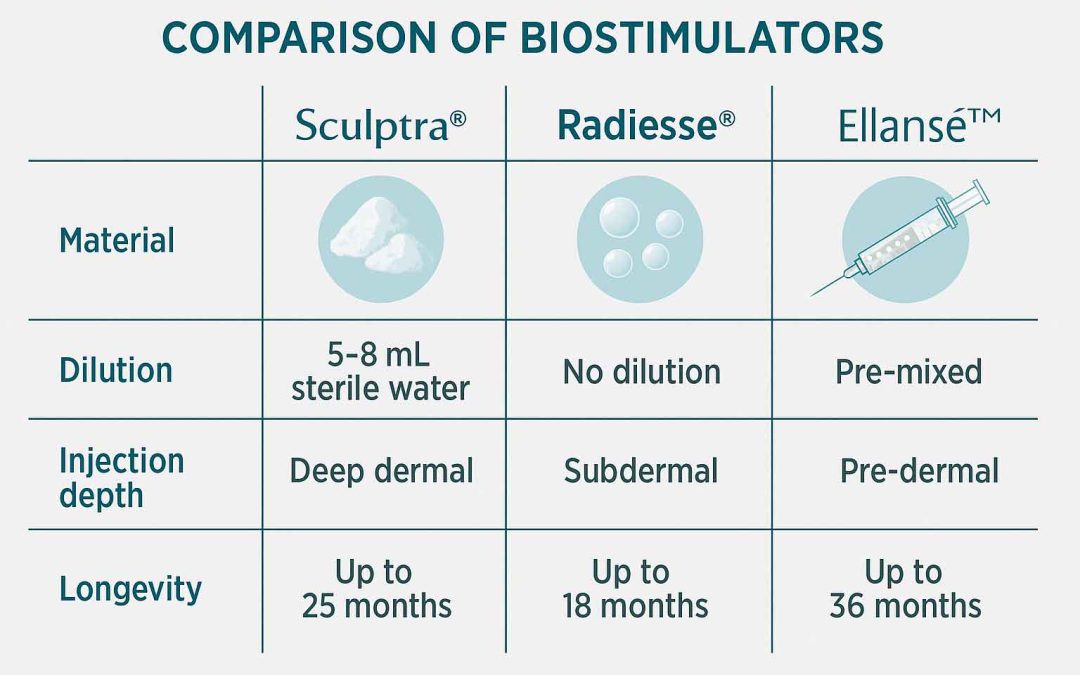
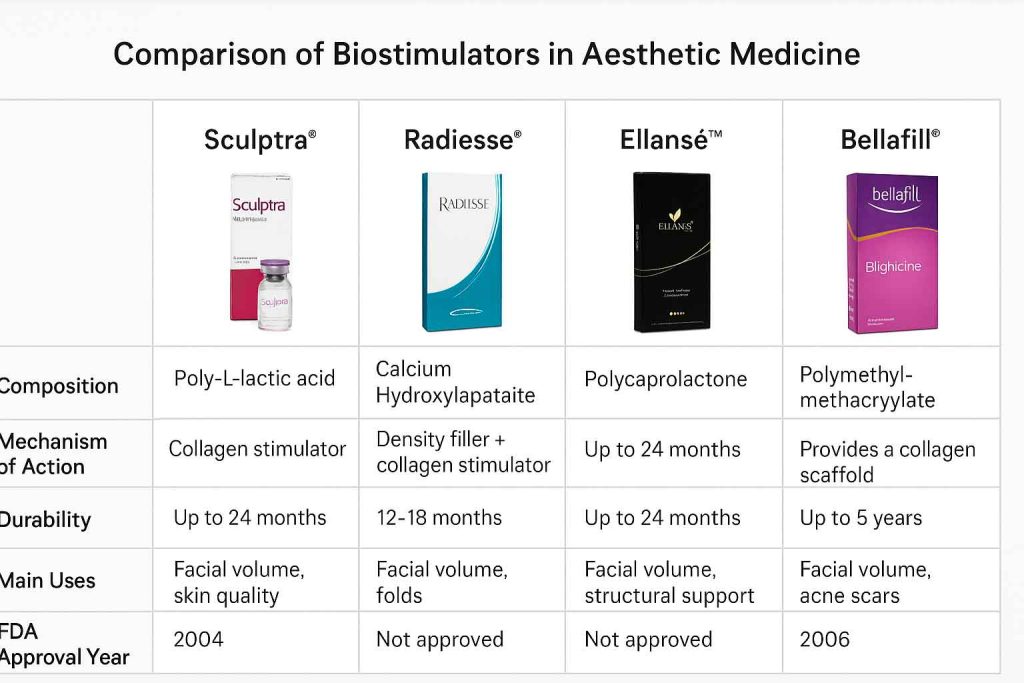
| Feature | Sculptra® 2 | Radiesse® | Ellansé™ |
| Active substance | PLLA | Calcium hydroxylapatite | PCL |
| Onset of results | 4–6 weeks | 2–3 weeks | ~4 weeks |
| Average duration | 24–30 months | 12–18 months | 12–36 months |
| Injection plane | Deep subdermal | Subdermal | Supraperiosteal |
| Reconstitution needed | Yes | No | No |
10. Conclusion
Sculptra® 2 (poly-L-lactic acid, PLLA) is a non-immediate injectable biostimulator used in Sculptra 2 reconstitution that promotes collagen production to gradually restore facial volume and improve skin quality. Proper reconstitution is critical to ensure clinical efficacy, minimize complications such as nodules, and achieve uniform distribution of the product.
This guide is intended exclusively for licensed medical professionals and summarizes current recommendations based on evidence and clinical experience to safely and effectively prepare and inject Sculptra® 2. We also address anatomical considerations, patient selection, differences from other biostimulators, and comparative technique tables.
References (Official and Peer-Reviewed Sources)
- Galderma. Sculptra® Aesthetic – Full Prescribing Information. https://www.galderma.com
- Sundaram H, et al. “Biostimulatory effects of injectable poly-L-lactic acid.” Dermatol Surg. 2020. https://doi.org/10.1097/DSS.0000000000002322
- U.S. FDA. Sculptra (PLLA) Approval Documents. https://www.accessdata.fda.gov
- Gniadecka M, et al. “Poly-L-lactic acid: review of safety and efficacy.” J Clin Aesthet Dermatol. 2017.
- Galderma Training Manual. Sculptra® Reconstitution and Injection Guide for Healthcare Professionals (Internal Document)